Whitening Toothpaste: Secure For Day-to-day Use?
Does Lightening Damage Enamel? TraumaIf you've been struck in the mouth, your tooth may transform color because it responds to an injury by setting a lot more dentin, which is a darker layer under the enamel. Tooth enamel is the hardest substance in your body-- also more challenging than bone. While bleaching is generally safe, there are scenarios where it pays to pump the brakes a little. To understand their security, it's useful to recognize just how they function. Many whitening strips are slim, adaptable plastic movies coated with a peroxide-based gel (either hydrogen peroxide or carbamide peroxide). When applied, the peroxide penetrates the tooth enamel to break down innate spots into smaller, much less concentrated fragments, that makes your teeth appear brighter. When used by a dental professional or in strict conformity with a dental professional's clear instructions, these chemicals do not present a hazard of causing enamel disintegration. At Bayview Dental Arts, we're well-prepared to take on these barriers and offer long-term services to guarantee both your Dental Whitening comfort and the health of your enamel. Your oral carrier can supply personalized recommendations to address any worries and optimize the outcomes of your teeth whitening therapy. Risks commonly reported with tooth bleaching include raised tooth sensitivity and moderate gingival irritability.
Whitening Enamel Safety
Some items even include fluoride or minerals to reinforce enamel while lightening. Nevertheless, when used, most dental professionals say whitening strips are risk-free for many people. It boils down to being cautious and utilizing Click here for more them properly. Search for lightening tooth pastes identified as enamel-safe and authorized by the American Dental Organization (ADA) for day-to-day usage. If you have questions concerning level of sensitivity, enamel safety, or which lightening choice fits your smile, call our team and we'll assist you get clearness fast.Is it feasible to bleach teeth without damaging enamel?
Personalized Lightening Trays by Your Dentist
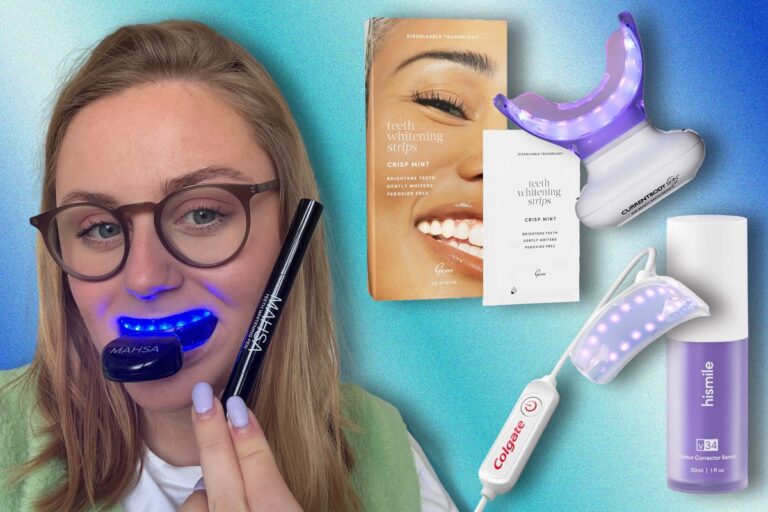
If you''re seeking a home choice that can deliver much better outcomes, a dental professional can produce custom-made trays for you. The trays fit your teeth properly and minimize the risk of damages to periodontal or enamel.
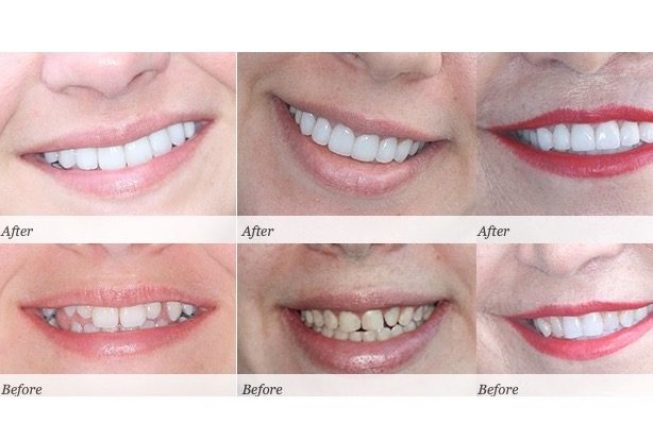
Common Teeth Bleaching Myths-- Improved
- Later, your teeth normally reclaim hydration from your saliva.
- This blog site will address that issue and provide crucial details to assist you make an educated decision.
- Properly utilized lightening is typically thought about risk-free, but that does not suggest every item or every practice is equally clever.
- Touch-up treatments usually need much less intensive application than preliminary whitening.
- Just how typically you'll require it depends mainly on way of life routines-- coffee, wine, and cigarette being the normal suspects.